Newsletter Subscribe
Enter your email address below and subscribe to our newsletter
Enter your email address below and subscribe to our newsletter

 ByJohn A
Electrical power systems are designed with one primary goal in mind: delivering reliable energy while maintaining the highest levels of safety. However, systems that operate without a grounded neutral—such as delta-connected networks—can face serious challenges when faults occur. This is where the zig zag grounding transformer becomes an essential solution.
A zig zag transformer is specifically engineered to create a neutral point in systems that lack one, allowing proper grounding and significantly improving both electrical safety and fault protection. In this article, we’ll explore how this unique transformer works, why it is widely used, and how it prevents equipment damage and system instability.
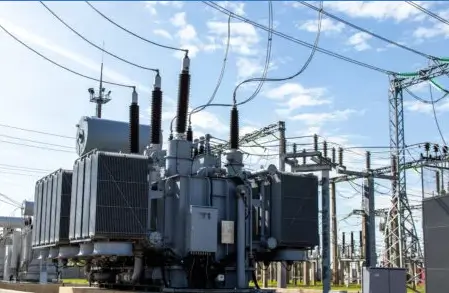
A zig zag grounding transformer is a special type of transformer used to provide a neutral grounding point for three-phase systems. Unlike conventional transformers, it does not transfer power from primary to secondary for load purposes. Instead, its main function is to enable grounding and manage fault currents.
The name “zig zag” comes from its distinctive winding configuration. Each phase winding is split into two halves and connected in a zigzag pattern across different phases. This arrangement allows the transformer to:
Because of its efficient design, the zigzag transformer is widely used in industrial, commercial, and utility power systems.
Before understanding the benefits of a zig zag grounding transformer, it’s important to look at the risks associated with ungrounded systems.
In a system without grounding:
For example, if a single line-to-ground fault occurs, the voltage in the remaining healthy phases can rise close to line-to-line voltage. This creates dangerous conditions that can damage equipment and increase the risk of failure.
One of the most important functions of a zig zag grounding transformer is the creation of a neutral point in systems where none exists.
The zig zag winding configuration connects portions of each phase in such a way that:
However, during a ground fault:
This artificial neutral point makes it possible to ground the system effectively, enabling safe operation and proper fault management.
A critical aspect of electrical safety is ensuring that fault currents have a controlled and predictable path to ground. The zigzag grounding transformer provides exactly that.
When a ground fault occurs:
Without this path, fault currents may remain extremely low and difficult to detect, allowing the fault to persist and worsen over time.
The zig zag grounding transformer works seamlessly with:
By enabling measurable fault current flow, it ensures that protection systems can act quickly and accurately.
One of the most significant advantages of using a zig zag grounding transformer is its ability to protect electrical equipment from damage.
In ungrounded systems, a ground fault can cause voltage in healthy phases to increase dramatically. This can:
The zig zag transformer stabilizes voltage by grounding the system, preventing these dangerous overvoltage conditions.
By providing a controlled path for fault currents, the transformer:
This is particularly important in high-value installations such as industrial plants and data centers.
System stability is crucial for uninterrupted power supply. A zig zag grounding transformer contributes significantly to maintaining stable operation.
The zigzag configuration ensures that:
When faults occur, the transformer helps:
This improves overall reliability and reduces downtime.
See also: Retail Personalization Technology
Effective fault detection is essential for any electrical system. The zig zag grounding transformer plays a key role in enabling this.
By allowing zero-sequence currents to flow, the transformer ensures that:
Quick detection leads to:
Zig zag grounding transformers are used in a wide range of applications where grounding is required but a neutral is not available.
Manufacturing plants often use delta systems for efficiency. Zig zag transformers provide the necessary grounding for safe operation.
Solar and wind installations rely on zig zag transformers to ensure proper grounding and fault protection in inverter-based systems.
Power distribution systems use these transformers to maintain stability and enable effective fault detection.
Hospitals, data centers, and office buildings benefit from improved safety and reliability provided by zig zag grounding transformers.
While there are several grounding methods available, the zig zag grounding transformer offers unique advantages:
These benefits make it a preferred choice for many engineers and system designers.
The effectiveness of a zig zag grounding transformer comes from its design:
These features work together to provide reliable grounding and fault protection.
To ensure optimal performance, zig zag grounding transformers require proper maintenance:
Proper maintenance ensures long-term reliability and safety.
As power systems evolve, the role of zig zag grounding transformers continues to grow. Modern trends include:
These advancements are making grounding solutions more effective and adaptable to changing energy demands.
A zig zag grounding transformer is a vital component in modern power systems, particularly in networks that lack a natural neutral point. By creating an artificial neutral, it enables proper grounding, ensures safe fault current flow, and enhances the effectiveness of protection systems.
Its ability to prevent overvoltage conditions, reduce equipment stress, and maintain system stability makes it indispensable for industrial, commercial, and utility applications. In an era where reliability and safety are paramount, investing in the right grounding solution—such as a zig zag grounding transformer—is not just a technical choice, but a strategic one.
Ultimately, this specialized transformer plays a critical role in safeguarding electrical infrastructure, protecting valuable equipment, and ensuring uninterrupted power supply.