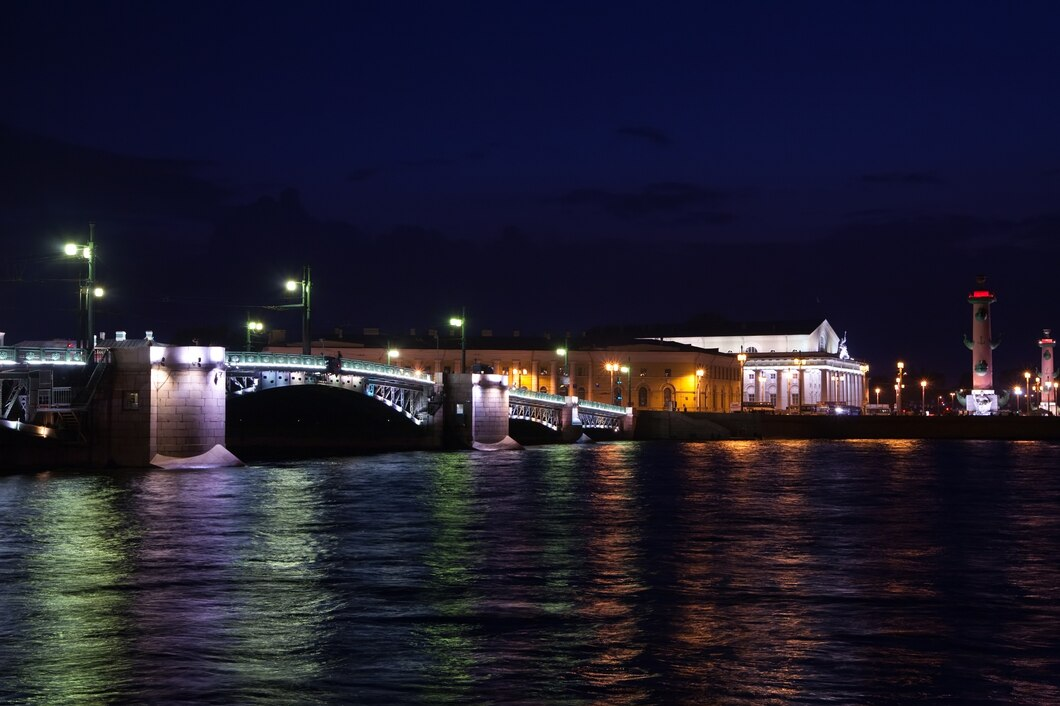

Visibility is one of the most critical factors in ensuring safety and efficiency on commercial vessels. Whether operating cargo ships, fishing boats, offshore support vessels, ferries, or workboats, maintaining clear visibility during nighttime operations and adverse weather conditions is essential. One of the most effective tools for enhancing onboard visibility is the use of marine utility lights.
Designed specifically for harsh marine environments, marine utility lights provide reliable illumination for decks, workspaces, machinery areas, and navigation zones. Their role extends beyond simple lighting, contributing significantly to crew safety, operational efficiency, and regulatory compliance. As commercial marine operations continue to evolve, investing in high-quality marine utility lighting has become a necessity rather than a luxury.
Understanding Marine Utility Lights
Marine utility lights are specialized lighting fixtures engineered to withstand challenging maritime conditions. Unlike standard lighting systems, these lights are designed to resist moisture, saltwater corrosion, vibration, extreme temperatures, and continuous exposure to the elements.
They are commonly installed in various areas of commercial vessels, including:
- Deck workspaces
- Engine rooms
- Cargo handling zones
- Stairways and walkways
- Storage compartments
- Navigation and control stations
- Emergency access points
Their primary purpose is to ensure adequate illumination wherever crew members perform critical tasks.
See also: How smart tech changes live cricket habits
Enhancing Crew Safety During Night Operations
Commercial vessels often operate around the clock. Many essential tasks, such as cargo loading, fishing activities, maintenance work, and equipment inspections, take place during nighttime hours. Poor visibility increases the risk of accidents, injuries, and operational errors.
Marine utility lights provide bright and consistent illumination that helps crew members safely navigate decks, identify hazards, and complete tasks with greater accuracy. Proper lighting reduces the likelihood of slips, trips, and falls, which are among the most common causes of onboard injuries.
When workers can clearly see their surroundings, they can respond more effectively to changing conditions and potential dangers.
Improving Visibility in Harsh Weather Conditions
Commercial vessels frequently encounter challenging weather, including heavy rain, fog, storms, and rough seas. These conditions can significantly reduce visibility, making onboard operations more difficult and dangerous.
High-performance marine utility lights help maintain visibility even in adverse weather environments. Many modern lighting systems feature powerful LED technology that produces strong, focused beams capable of penetrating darkness and low-visibility conditions.
This enhanced illumination allows crew members to continue critical operations safely while maintaining awareness of equipment, obstacles, and surrounding work areas.
Supporting Efficient Cargo Handling
Cargo operations require precision and coordination. Whether loading containers, transferring supplies, or handling bulk materials, workers must clearly see equipment, controls, and surrounding personnel.
Marine utility lights illuminate cargo decks and loading zones, allowing operators to work more efficiently and accurately. Proper lighting minimizes mistakes that can lead to damaged cargo, equipment failures, or workplace accidents.
Improved visibility also helps crane operators, deck crews, and logistics personnel communicate and coordinate tasks more effectively, resulting in smoother operations and reduced downtime.
Increasing Productivity on Commercial Vessels
Visibility directly affects productivity. Poor lighting slows down work processes because crew members need additional time to inspect equipment, read instruments, and perform routine tasks.
Well-designed marine utility lighting systems create safer and more efficient work environments. Crew members can complete inspections, maintenance procedures, repairs, and operational duties with greater confidence and speed.
By reducing delays caused by inadequate lighting, vessel operators can improve overall operational efficiency and maximize productivity throughout the voyage.
Enhancing Engine Room Safety
Engine rooms are among the most important and complex areas of any commercial vessel. These spaces contain critical mechanical systems that require regular monitoring, maintenance, and repairs.
Marine utility lights provide dependable illumination for machinery spaces, allowing engineers and technicians to inspect components accurately and identify potential issues before they become major problems.
Adequate lighting also helps personnel safely navigate confined spaces and perform maintenance tasks without unnecessary risks. Better visibility contributes to improved equipment reliability and reduced maintenance-related accidents.
Improving Emergency Response Capabilities
In emergency situations, every second matters. Fires, equipment failures, flooding incidents, and medical emergencies require rapid response from crew members.
Marine utility lights play a vital role in emergency preparedness by ensuring critical areas remain illuminated when visibility is essential. Emergency lighting systems often incorporate marine-grade utility lights to provide reliable illumination during power interruptions or crisis situations.
Clear visibility allows crew members to locate emergency equipment, access evacuation routes, and coordinate response efforts more effectively, potentially preventing injuries and minimizing damage.
Reducing Energy Consumption with LED Technology
Modern marine utility lights increasingly utilize LED technology, offering significant advantages over traditional lighting systems.
LED marine lights consume less power while producing brighter illumination. This energy efficiency is particularly important on commercial vessels, where power management plays a crucial role in operational costs.
Benefits of LED marine utility lights include:
- Lower energy consumption
- Longer operational lifespan
- Reduced maintenance requirements
- Improved brightness
- Faster activation
- Better durability
By reducing power usage and maintenance expenses, LED lighting solutions help vessel operators improve cost efficiency while maintaining excellent visibility.
Withstanding Harsh Marine Environments
The marine environment presents unique challenges for lighting systems. Saltwater exposure, constant vibration, humidity, and extreme weather can quickly damage standard fixtures.
Marine utility lights are specifically engineered to withstand these demanding conditions. Many feature corrosion-resistant housings, waterproof seals, impact-resistant construction, and vibration-resistant components.
This durability ensures reliable performance over extended periods, reducing replacement frequency and minimizing maintenance costs for vessel operators.
Supporting Regulatory Compliance
Commercial vessels must comply with numerous safety standards and maritime regulations. Proper lighting is often a key component of these requirements.
Marine utility lights help operators maintain safe working conditions and meet applicable industry standards regarding onboard illumination. Compliance not only reduces legal risks but also demonstrates a commitment to crew safety and operational excellence.
Regularly updated lighting systems can assist vessel owners in meeting evolving industry expectations while maintaining efficient operations.
The Future of Marine Utility Lighting
Advancements in marine lighting technology continue to improve visibility and operational performance. Smart lighting systems, automated controls, enhanced LED designs, and integrated monitoring capabilities are becoming increasingly common throughout the maritime industry.
These innovations provide greater flexibility, energy savings, and reliability while supporting safer working environments. As commercial vessels adopt more advanced technologies, marine utility lights will remain an essential component of modern maritime operations.
Conclusion
Marine utility lights play a crucial role in improving visibility on commercial vessels. From enhancing crew safety and supporting cargo operations to improving emergency response and increasing productivity, these specialized lighting systems contribute significantly to efficient maritime operations.
Modern LED marine utility lights offer exceptional brightness, durability, and energy efficiency, making them a valuable investment for vessel operators. By providing reliable illumination in even the harshest marine conditions, they help create safer workplaces, reduce operational risks, and support long-term performance across the commercial maritime industry.
As technology continues to evolve, marine utility lighting solutions will remain an indispensable tool for ensuring visibility, safety, and operational success at sea.