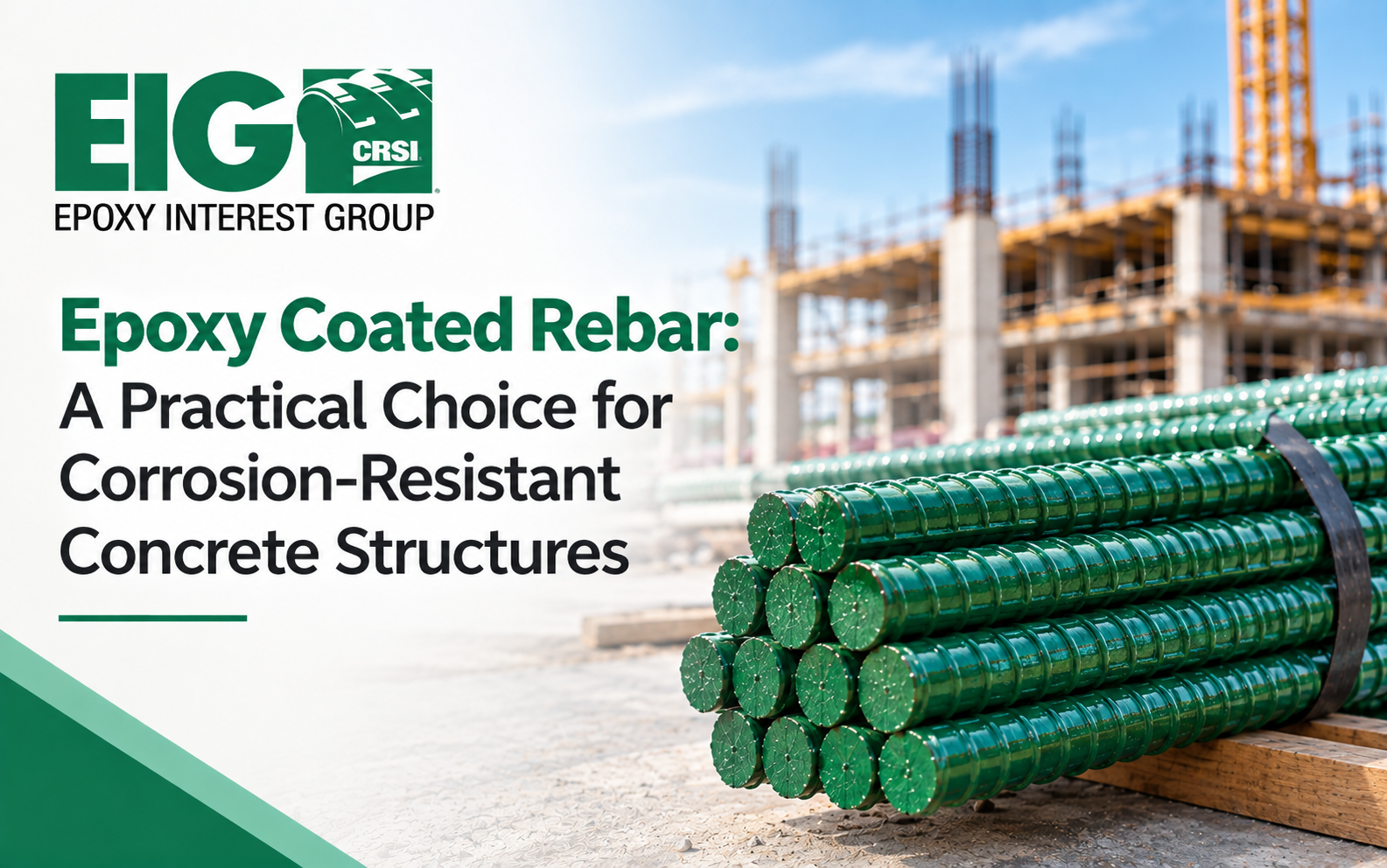

The steel in concrete is generally strong against compression but is still susceptible to corrosion when embedded in the material. Over time, moisture, road salt, and difficult chemicals can reach the reinforcement and so rust it, turning this concrete block very soft. Epoxy coated rebar is assisting to reduce this risk by creating a coat around the steel.
In long-run applications where durable coating matters, it provides protection and keeps reinforcement.
What is Epoxy Coated Rebar? [And How it Works?]
Epoxy-coated rebar is a type of steel reinforcement work that has been coated in an epoxy resin coating. It acts as a barrier between the steel and any corrosive agent. It will help slow the deterioration process when utilized and treated properly.
Which is important on structures that are either wet, regularly or continuously exposed to traffic with chloride ions such as de-icing salts and coastal conditions. For it to do its job and protect you, the coating has to stay where it is. Construction aims to mitigate the effects of any damage During
See also: How Much Does Car AC Repair Cost? A Complete Guide
Where Would This Reinforcement Be Most Beneficial?
Some others require different type of reinforcement according to each structure, its location, and its exposure intensity. Common uses include:
- Bridges and highways: These infrastructures can be affected by road salt and high humidity.
- Parking garages: Concrete decks allow water and de-icing chemicals to penetrate.
- Marine structures: Seaside air and salted water may increase the set forth.
- Foundations: Certain soil types may lead to corrosion of reinforcing die off.
As a project engineer, you should ensure that the product selection fulfills both design and code requirements.
Planning a Corrosion-Resistant Application
Choosing the right materials is key to any successful corrosion-resistant epoxy coated rebar application. Before placing any order, you need to verify the coating specifications, bar sizes, and desired quality standards.
The other is kind of just installation which is also a dominant factor. When transporting, cutting, bending, and placing the bars on site, workers should be cautious about how they treat such products. Scratches or chips can show the steel underneath the coating. If any areas are damaged, repair them in accordance with the manufacturer’s recommendations and project specification.
Concrete cover, spacing of bars between lap lengths and exposure conditions on site also have to be factors in design. Epoxy coating performs best as a variety of an entire corrosion-management plan.
Determinants of Value Beyond the Upfront Price
Coated reinforcement is generally more expensive than uncoated steel, but when used in appropriate environments it can minimize corrosion-maintenance costs. An advantage of the construction process is fewer repairs may improve long-term value; however, actual performance will depend on design, workmanship, and site quality.
Select Materials Appropriate for the Project
Epoxy coated rebar is recommended for concrete structures subjected to corrosive environment. Builders can select a compliant product and installation practice to help protect the reinforcement and informality the serviceable life of the structure.